

 Česky (CZK)
 Slovensky (EUR)
 Magyar (HUF)
 Deutsch (EUR)
 Deutsch (EUR)
 Polski (PLN)
 Română (RON)
 Español (EUR)
 Français (EUR)
 Dutch (EUR)


Price of pearls
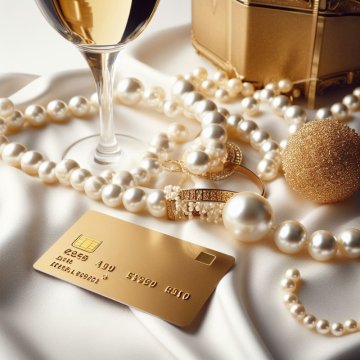
“How much do pearls cost?” is one of the questions we are asked most often. There is no simple answer: earrings with a pearl of around 8 mm can cost €25, or more than €1,200. And both can be made of real pearls. The difference lies in the type of pearl, its quality and the metal it is set in. In this guide you will find indicative prices by pearl type and learn how to check that the price matches the quality.
In short
The most affordable are freshwater pearls: earrings from around €25, necklaces from €165. Japanese Akoya pearls cost from €140 for earrings and from €1,500 for a necklace. Tahitian pearls and South Sea pearls are among the most expensive – earrings from €660 and South Sea necklaces from €4,150. A larger size, higher quality (AAA, Hanadama) and gold instead of silver all raise the price further.
In this guide: prices by pearl type, what affects the price, why a pearl necklace is so expensive, how to recognise a fair price, are pearls an investment?, frequently asked questions.
How much do pearls cost: overview by type
Almost all pearls sold in jewellery today are cultured pearls – real pearls that formed inside a mollusc. The prices in the table reflect the jewellery in our collection. They are indicative; you will always find the exact price on the product page.
| Pearl type | Earrings | Necklace | Ideal for |
|---|---|---|---|
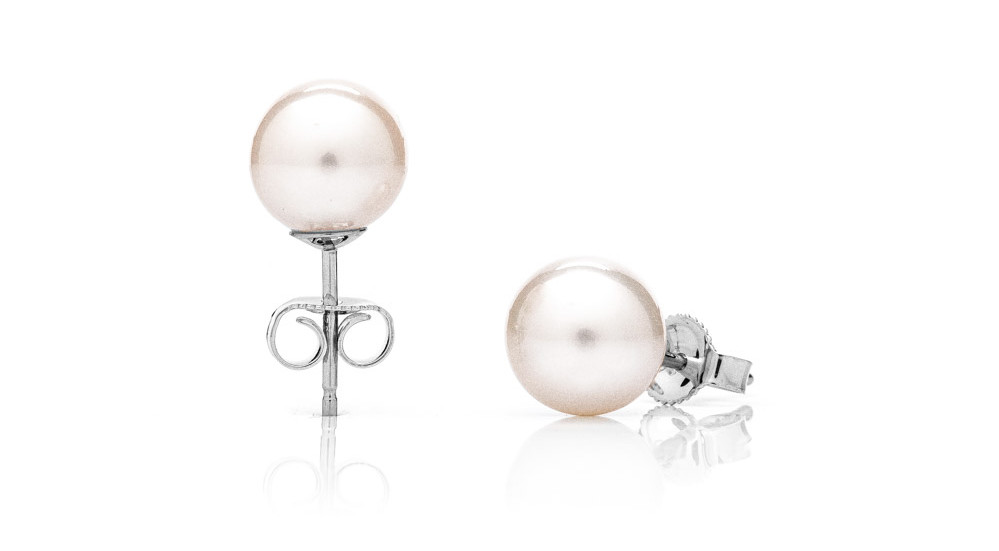
| Freshwater | approx. €25–125 | approx. €165–310 | A first piece of pearl jewellery, everyday wear |
| Akoya (Japan) | approx. €140–540, Hanadama from €1,370 | approx. €1,500–4,550, Hanadama up to €10,300 | Classic elegance, an anniversary gift |
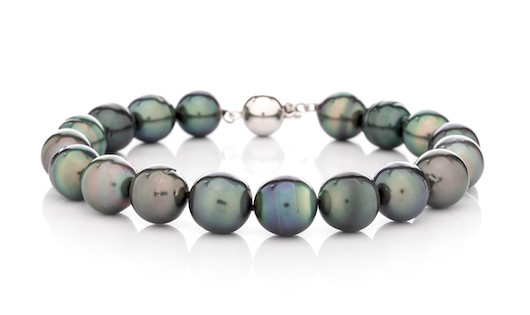
| Tahitian | approx. €660–950 | approx. €1,650–1,900 | A naturally dark, striking pearl |
| South Sea | approx. €1,040–1,410 | from approx. €4,150; large, high-quality pearls up to several tens of thousands of euros | The largest pearls, an exceptional piece |
At the very top are natural (wild) pearls, formed without any human intervention. Today they are so rare that they are sold mainly at auction houses, often for six- or seven-figure sums, and you are unlikely to find them in an ordinary jewellery shop.
Shopping to a budget? Browse our categories under €100, €101–200, €201–400 and over €400.
What affects the price of pearls
1. Type of pearl
This is the most important factor. A freshwater mussel produces dozens of pearls at once, whereas an Akoya oyster usually produces just one or two, and a Tahitian or South Sea oyster only one. Saltwater pearls also take longer to grow and are harder to cultivate. That is why freshwater pearls are far more affordable – not because they are any less real.
2. Size
Large pearls are rare in nature, so the price rises with every millimetre, sharply in the case of saltwater pearls. For example, a pendant with an 8.5 mm AAA Akoya pearl costs around €245, while one with a 9 mm AAA+ pearl costs around €325. With freshwater pearls the difference is smaller.
3. Quality
Quality is assessed by shape, lustre, surface cleanliness and nacre thickness, and is graded AAA, AA or A (A–D for Tahitian pearls). At the same 7.5 mm size, a freshwater pearl necklace in AAA quality costs roughly a quarter more than one in AA quality. The highest grades of Akoya pearls are Hanadama and TEN-NYO, which come with an original certificate from Japan. Find out more in the guide Pearl Quality Evaluation.
4. Shape and colour
Perfectly round pearls are the most valuable. Baroque and irregular pearls are more affordable and have a character all of their own. When it comes to colour, rarity decides: a naturally dark Tahitian pearl or a golden South Sea pearl costs more than a dyed pearl. Read more in the article Are black pearls really black?
5. Metal and craftsmanship
A large part of the price is the precious metal itself. For example, the same 8 AAA Continental earrings with a freshwater pearl cost around €140 in silver and around €360 in 14K white gold. The clasp, hand-knotting on silk and the design also play a part.
Why a pearl necklace is so expensive
A 45 cm necklace contains around 50 to 60 pearls, and all of them must match in size, shape, shade and lustre. Selecting them takes time, and only a small share of a large batch of pearls is suitable for a single strand. Making the necklace is also painstaking work: the pearls are strung by hand, with a knot tied between each pair to protect them from rubbing against each other and to stop them scattering if the strand breaks. That is why the price of a necklace rises faster than the number of pearls – especially for high-quality saltwater pearls.
How to recognise a fair price
Always compare like with like: the same pearl type, size, quality and metal. Be cautious if:
- a “genuine Akoya pearl necklace” is offered at the price of freshwater pearls,
- the pearl type, size or quality is not stated,
- the seller does not issue a certificate of authenticity and has no clear return policy,
- all the pearls in a necklace are completely identical and perfectly smooth – this often indicates an imitation.
How to recognise a real pearl yourself at home is explained in the guide How to Tell a Fake Pearl from a Real One.
With us, you know what you are buying: for every piece we state the pearl type, size and quality, and every purchase comes with a certificate of authenticity. You can try the jewellery on at home at your own pace.
Are pearls a good investment?
Pearls are not an investment commodity like gold, and they are not traded on the stock exchange. They are an organic material that needs gentle handling. High-quality pearls, especially Japanese Akoya Hanadama or large Tahitian and South Sea pearls, nevertheless hold their value for decades with proper care and are often passed down from generation to generation.
Prices of pearls and precious metals may fluctuate in the short term, but in the long term they keep rising across the whole industry. There are several reasons: growing demand, rising silver and gold prices and the increasing cost of pearl farming. A piece of jewellery bought today will therefore usually cost less than the same piece in a few months’ time.
Frequently asked questions
How much does a real pearl cost?
It depends mainly on the type. Earrings with a freshwater pearl start at around €25, with a Japanese Akoya pearl at €140, with a Tahitian pearl at €660 and with a South Sea pearl at €1,040. Size, quality and metal also affect the price.
How much does a pearl necklace cost?
A freshwater pearl necklace usually costs €165–310, an Akoya pearl necklace around €1,500–4,550 and an Akoya Hanadama necklace up to about €10,300. A Tahitian pearl necklace costs around €1,650–1,900. Necklaces of high-quality South Sea pearls start at around €4,150 and, with large pearls of the highest quality, reach several tens of thousands of euros.
Why are freshwater pearls cheaper than saltwater pearls?
A freshwater mussel produces dozens of pearls at once, while a saltwater oyster usually produces one or two. Saltwater pearls also take longer to grow and are harder to cultivate. Freshwater pearls are just as real as saltwater ones.
Why are some pearls in shops so cheap?
Very cheap “pearls” are often imitations made of glass, plastic or crushed shell (shell pearls). Real freshwater pearls of low quality can also be inexpensive. Always check the pearl type, the quality and whether the seller issues a certificate of authenticity.
Which pearls are the most expensive?
The most expensive are rare natural (wild) pearls, sold mainly at auction. Among cultured pearls, the most expensive include large South Sea pearls, Tahitian pearls and Japanese Akoya pearls of the top Hanadama and TEN-NYO grades.
Are pearls a good investment?
Pearls are not an investment commodity like gold. However, high-quality pearls hold their value for decades with proper care and are often passed down. Prices of pearls and precious metals may fluctuate in the short term but keep rising in the long term, so a piece bought today usually costs less than it will in a few months.
Keep reading
More guides and certified jewellery.
Need help choosing? Customer service
Orders received by 12:00 noon will be shipped the same day.
Choose pearl jewellery from our collection
Pearl earrings
|
Pearl sets
|
Pearl bracelets
|
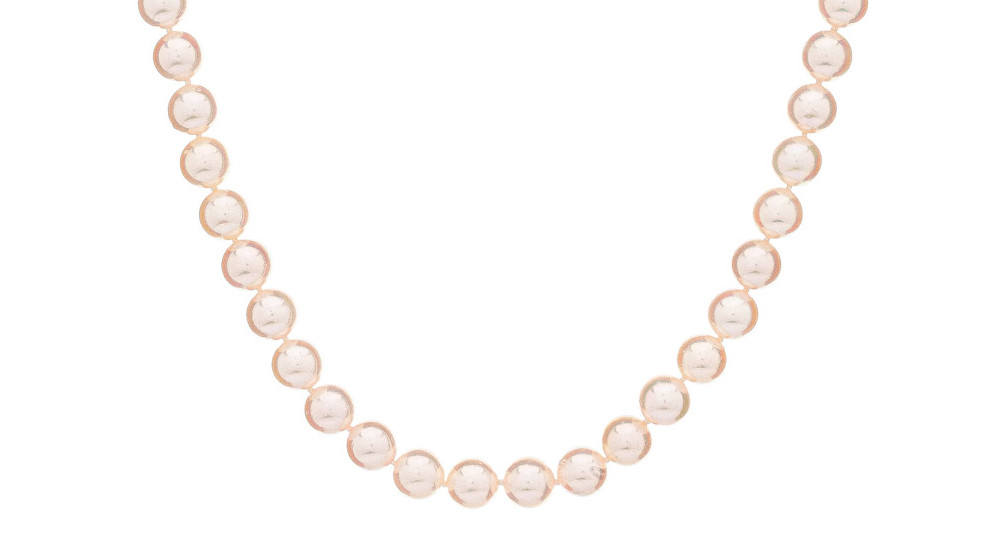
Pearl necklaces
|
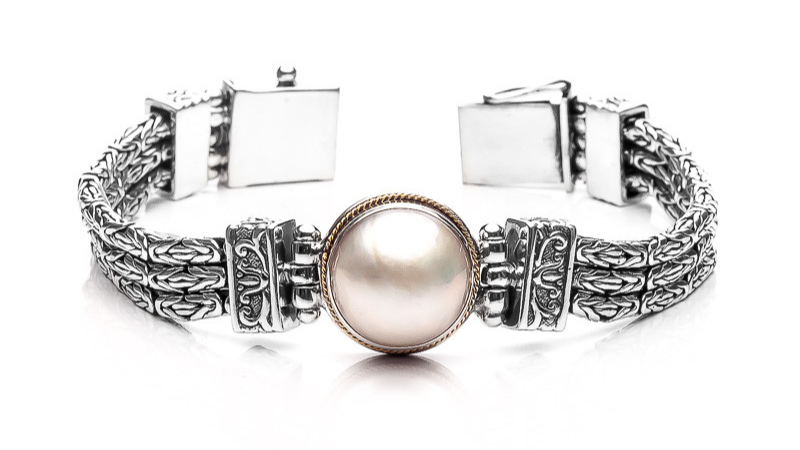
Luxury jewellery
|
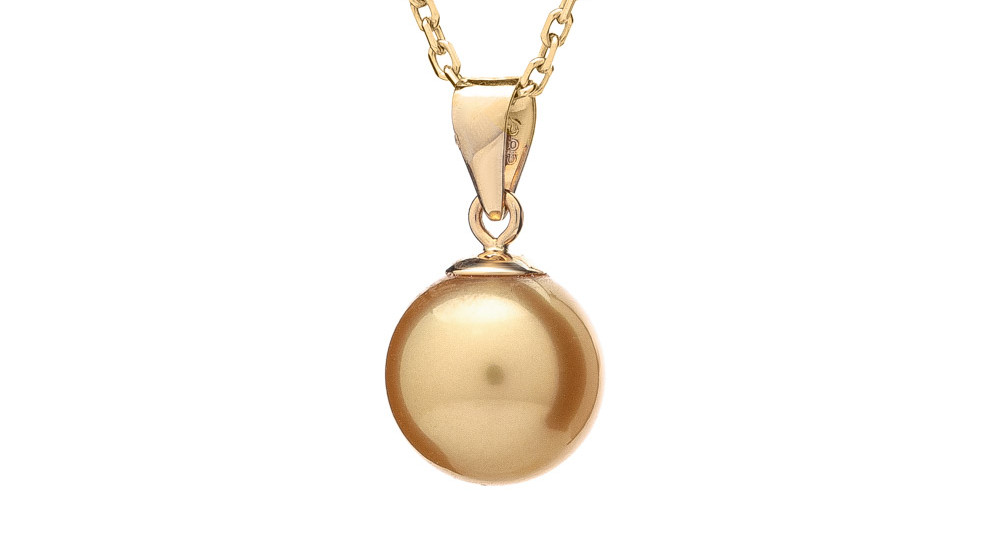
Pearl pendants
|
This guide was prepared and reviewed by the team of pearl specialists at Buka Jewelry, based on our experience since 2013. Prices reflect our collection as of October 2026. Last updated: October 2026.
Specialists in genuine pearl jewelry

